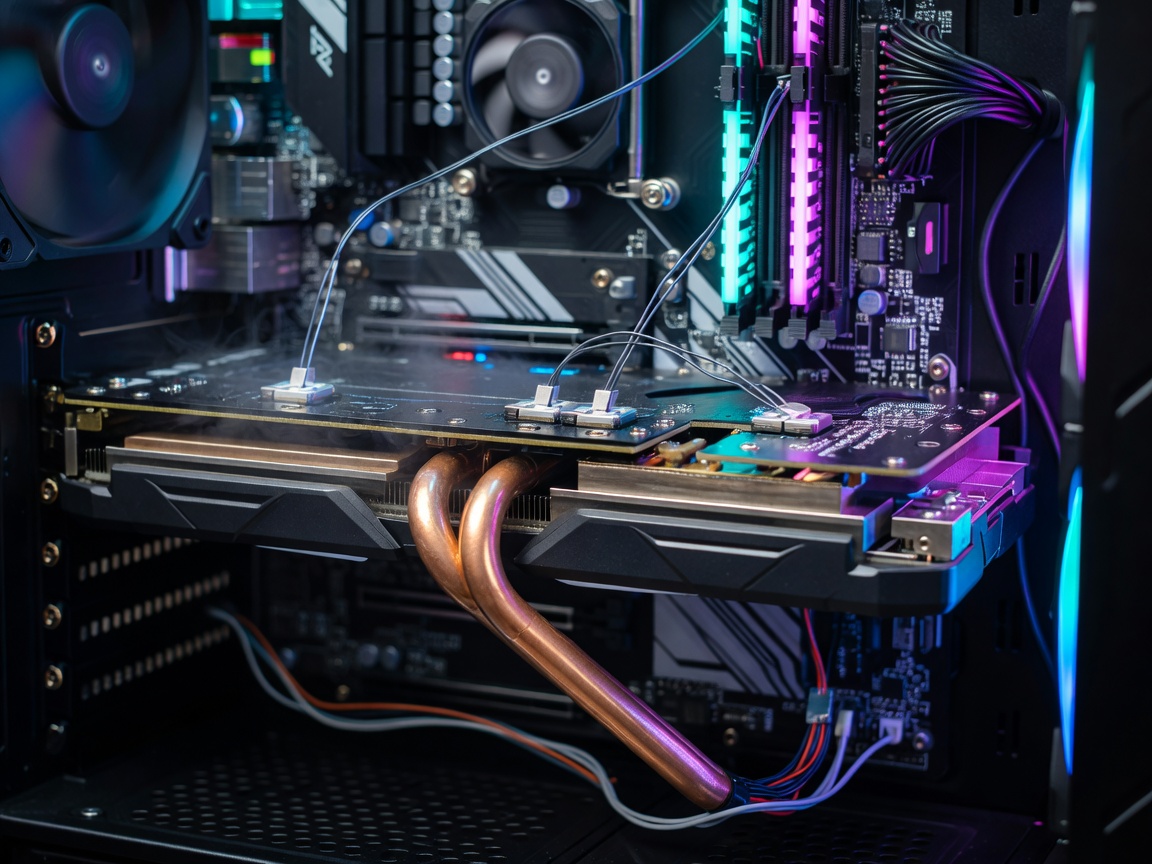
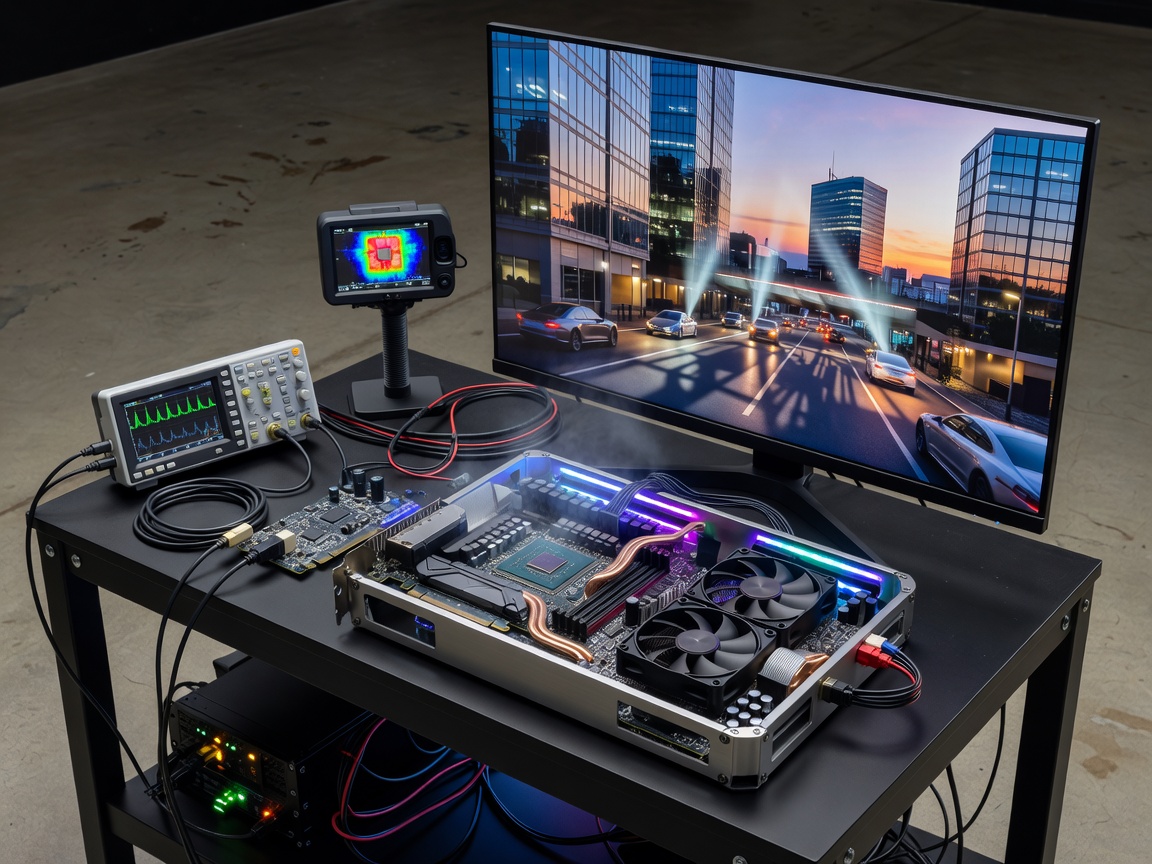
Peak benchmark numbers are deceptively easy to achieve during brief 30-second bursts. However, true mobile performance is defined by what happens thirty minutes into a high-frame-rate rendering session or demanding emulation task. Without sufficient thermal diffusion and power throttling efficiency, a flagship processor will rapidly shed 40% of its clock speed.
The Heavyweight Trio: OnePlus 15, Galaxy S26+, and iPhone 17
This evaluation examines three platforms built around 3-nanometer class fabrication nodes: the gaming-centric OnePlus 15, the balanced productivity flagship Samsung Galaxy S26+, and Apple's finely integrated iPhone 17.
OnePlus 15
Processor: Qualcomm Snapdragon 8 Elite
Cooling Assembly: 9,140mm² Dual-Vapor Chamber
Memory: 16GB / 24GB LPDDR5X (9,600 Mbps)
Thermal Ceiling: Up to 44°C Hand-held Target
Samsung Galaxy S26+
Processor: Snapdragon 8 Elite / Exynos 2600
Cooling Assembly: Enlarged Vapor Chamber with Graphite
Memory: 12GB LPDDR5X
Thermal Ceiling: Conservative 41.5°C Surface Throttle
Apple iPhone 17
Processor: Apple A19 Bionic (3nm enhanced)
Cooling Assembly: Internal Graphene & Titanium Sub-plate
Memory: 8GB Unified LPDDR5X
Thermal Ceiling: Dynamic Display Dimming Guardrail
Oryon CPU Cores vs. Apple's Microarchitecture
The Snapdragon 8 Elite architecture powering the OnePlus 15 and Galaxy S26+ completely omits traditional low-power efficiency cores. Instead, it utilizes two Prime Oryon cores running at up to 4.32 GHz alongside six Performance cores running at 3.53 GHz. In multi-threaded compute tasks, this all-big-core approach delivers desktop-class code compiling and video transcoding speeds.
Apple's A19 Bionic takes a different route, utilizing two high-frequency Avalanche-derived performance cores and four Blizzard efficiency cores. Apple’s single-core execution speed and branch prediction remain exceptionally strong, enabling swift instantaneous app launch responsiveness while drawing minimal power during idling or audio playback.
Thermal Throttling & Sustained 3D Gaming
In a 45-minute continuous 3D loop stress test, the OnePlus 15 demonstrates the distinct advantage of its immense 9,140mm² vapor chamber. By spreading the thermal gradient rapidly across the curved frame, the device maintained 89% of its initial peak framerate without stutter or sudden FPS dropoffs.
Samsung tunes the Galaxy S26+ with more conservative thermal thresholds to preserve long-term battery cycle health and ensure skin comfort. After twenty minutes of continuous load, the clock speeds step down gradually, stabilizing at approximately 74% sustained throughput. Apple’s iPhone 17 sustains high performance for fifteen minutes before invoking display backlight dimming to manage interior heat accumulation within its compact, fanless enclosure.
Hardware-Accelerated Ray Tracing
Both silicon families now feature dedicated ray tracing hardware units capable of computing dynamic reflections, ambient occlusion, and realistic shadow mapping in supported mobile titles. The Adreno GPU in the OnePlus 15 boasts global illumination pipelines that sustain 60 FPS in console-grade ports, while Apple's Metal 3 framework leverages MetalFX spatial upscaling to maintain smooth visual fidelity without rendering at full native panel resolution.
Pros and Cons Matrix
OnePlus 15
- Pros: Unrivaled sustained thermal stability, up to 24GB RAM options, rapid 100W charging prevents low-battery interruptions.
- Cons: Aggressive background task battery optimization requires occasional permission tweaking.
Samsung Galaxy S26+
- Pros: Clean One UI software support, 7 years of OS upgrades, predictable temperature management.
- Cons: Conservative thermal throttling limits maximum possible benchmark endurance.
Apple iPhone 17
- Pros: Industry-leading single-core efficiency, highly optimized Metal game engine ecosystem.
- Cons: Display dims under sustained heavy outdoor thermal loads.
Final Assessment
For hardcore mobile gamers and technical power users who demand uninterrupted sustained compute, the OnePlus 15 is currently the pinnacle of raw thermal engineering. Everyday users seeking reliable performance supported by an industry-leading software lifecycle will appreciate the Samsung Galaxy S26+, while creators prioritizing single-core speed and seamless ecosystem integration will find the iPhone 17 exceptionally capable.