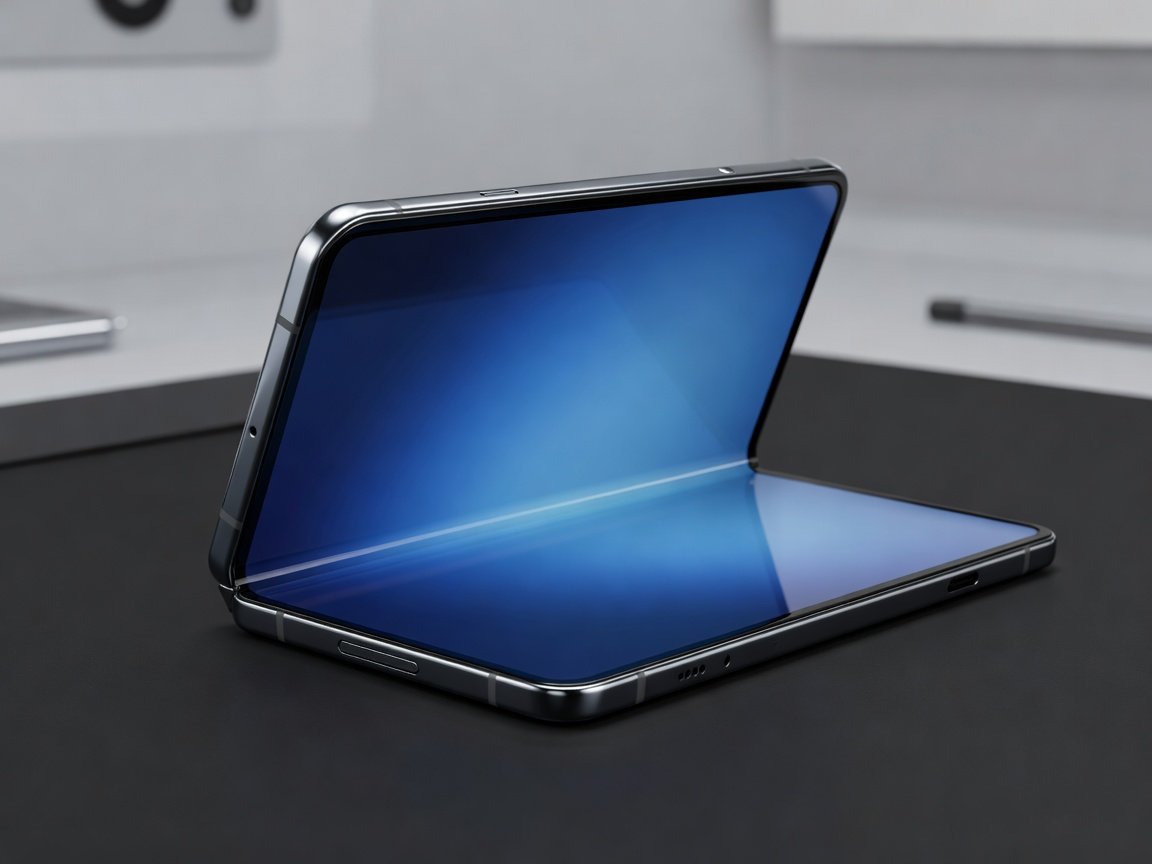
The foldable smartphone market has shifted from experimental fragility to structural maturity. As manufacturers converge on teardrop dual-axis hinges, carbon-fiber backplates, and high-tensile ultra-thin glass (UTG), consumer decisions no longer hinge solely on whether a device will endure, but on how weight distribution, software multitasking, and thermal dynamics operate in real productivity contexts.
The Contenders: Galaxy Z Fold8 Ultra, Pixel 10 Pro Fold, and Razr 2026
In our 2026 assessment, three key devices showcase radically different design philosophies: the book-style powerhouse Samsung Galaxy Z Fold8 Ultra, the wide-ratio tablet hybrid Google Pixel 10 Pro Fold, and the lifestyle flip-format Motorola Razr 2026.

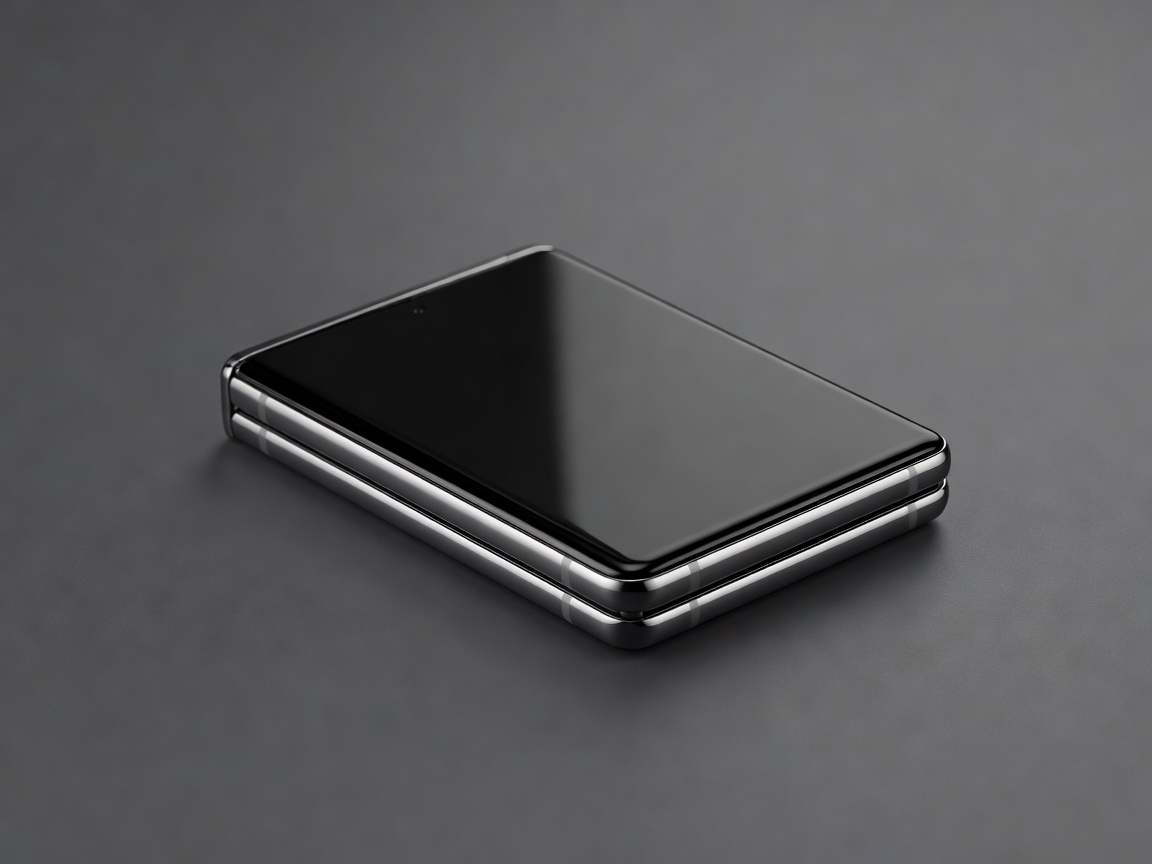
Samsung Galaxy Z Fold8 Ultra
Inner Display: 7.6" Dynamic AMOLED 2X (1-120Hz, 2600 nits)
Outer Display: 6.3" LTPO OLED (21:9 aspect ratio)
Hinge Core: Titanium dual-rail with micro-brush dust barrier
Mass: 245 grams
Google Pixel 10 Pro Fold
Inner Display: 8.0" Super Actua Flex (1-120Hz, 2700 nits)
Outer Display: 6.3" 20:9 Actua Cover OLED
Hinge Core: Multi-alloy steel teardrop mechanism
Mass: 257 grams
Motorola Razr 2026
Inner Display: 6.9" pOLED 165Hz (teardrop fold)
Outer Display: 4.0" edge-to-edge secondary pOLED
Hinge Core: Zero-gap dual-pivot aluminum frame
Mass: 188 grams
Hinge Mechanics and Crease Reduction
Samsung’s Galaxy Z Fold8 Ultra refines the mechanical path by integrating custom titanium pivot assemblies. This change reduces the overall hinge thickness by 1.2 millimeters compared to previous iterations while maintaining an IP48 certification. By allowing the inner screen to curve into a deeper teardrop radius when closed, the physical crease is dispersed across a broader surface, rendering it virtually imperceptible during off-axis viewing.
Conversely, Google adopts an 8.0-inch squarish internal layout on the Pixel 10 Pro Fold. Its multi-alloy hinge distributes tension evenly, facilitating seamless split-screen multi-tasking. While this yields a wider canvas for document parsing and side-by-side browser sessions, the device carries additional heft at 257 grams.
Motorola targets pocketability with the Razr 2026. The flip format approaches the fold dilemma differently: by utilizing an ultra-thin stainless steel flex plate beneath the 165Hz pOLED panel, the crease depth measures under 0.11 millimeters. The full-featured 4.0-inch cover screen enables 80% of routine daily actions—replying to messages, navigation, audio controls—without ever opening the main display.
Thermal Dissipation in Split Chassis
One enduring challenge of foldable hardware is thermal management. Because the processor, cellular modem, and primary camera sensors reside in one half of the chassis while the secondary battery cell sits in the other, heat cannot flow evenly across the entire surface area.
Samsung mitigates this through a dual-vapor chamber design interconnected by flexible graphite bridges crossing through the hinge chassis. Under sustained processing loads on the Snapdragon 8 Elite, surface temperatures remained within safe hand-held thresholds, preventing aggressive frame rate drops during 4K rendering workloads.
Pros and Cons Analysis
Samsung Galaxy Z Fold8 Ultra
- Pros: Superior multitasking UI (DeX support), S-Pen compatibility, robust titanium structure.
- Cons: Substantial price point ($1,899 entry), narrower cover display than standard slab flagships.
Google Pixel 10 Pro Fold
- Pros: Enormous 8.0-inch workspace, outstanding real-time computational photography, uniform cover display ratio.
- Cons: Heaviest device in category (257g), slower 30W charging profile.
Motorola Razr 2026
- Pros: Highly compact footprint, fluid 165Hz refresh rates, affordable entry barrier for foldables ($999).
- Cons: Moderate 4,200 mAh total battery capacity, omission of a dedicated telephoto zoom lens.
Final Buying Recommendation
Power users prioritizing workstation utility and continuous desktop-level multitasking will find the Samsung Galaxy Z Fold8 Ultra unmatched in longevity and software refinement. Photographers and multi-window readers will appreciate the Google Pixel 10 Pro Fold's expansive squarish canvas, while urban commuters seeking zero pocket bulk should consider the Motorola Razr 2026.