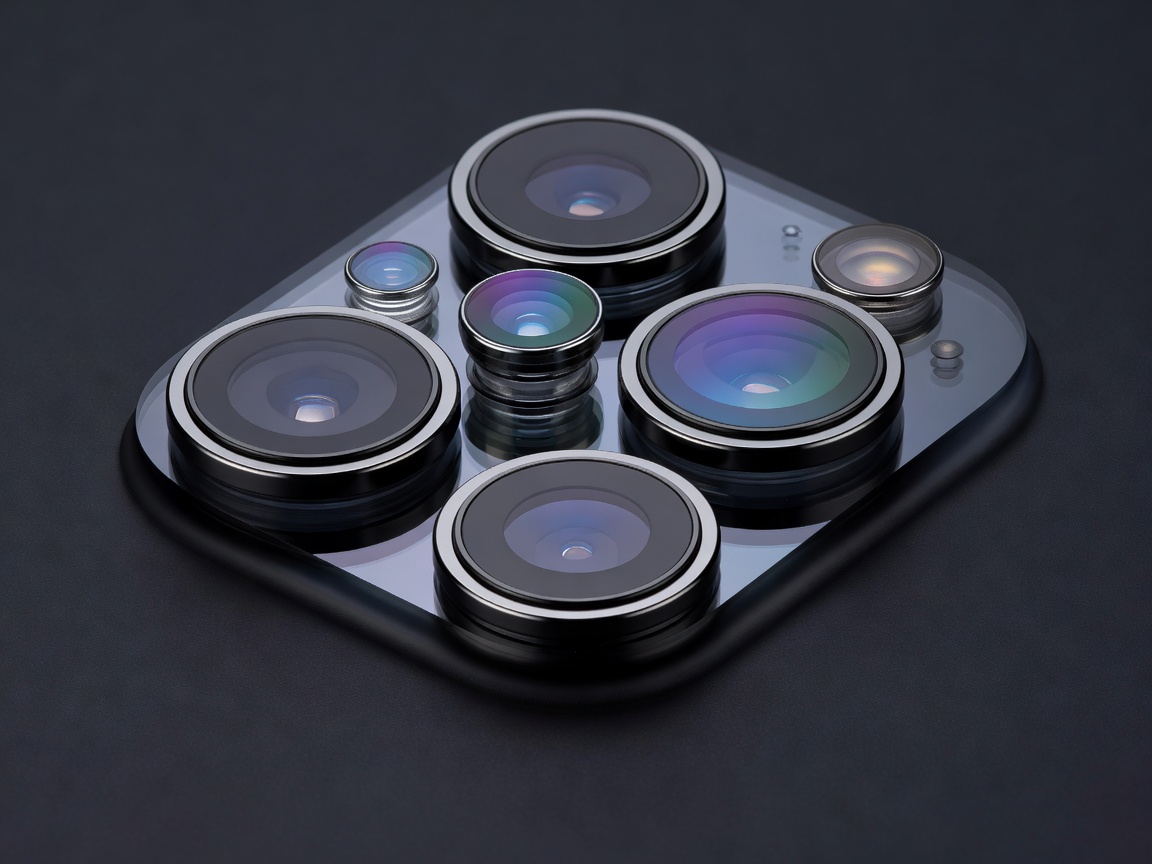
Mobile imaging has transitioned from hyper-processed HDR tone mapping toward physical optical integrity. Rather than aggressive sharpening artifacts and painterly noise suppression, today's camera champions rely on massive active silicon areas, specialized low-dispersion glass elements, and dedicated neural image signal processors (ISPs).
The Leading Optics Platforms
To evaluate how optical hardware performs in difficult conditions—such as high-contrast backlight, mixed neon lighting, and high-velocity motion—we pit three optical heavyweights against each other: the quad-module Xiaomi 17 Pro, the dual-periscope OPPO Find X9, and the computational imaging standard Google Pixel 10 Pro Fold.
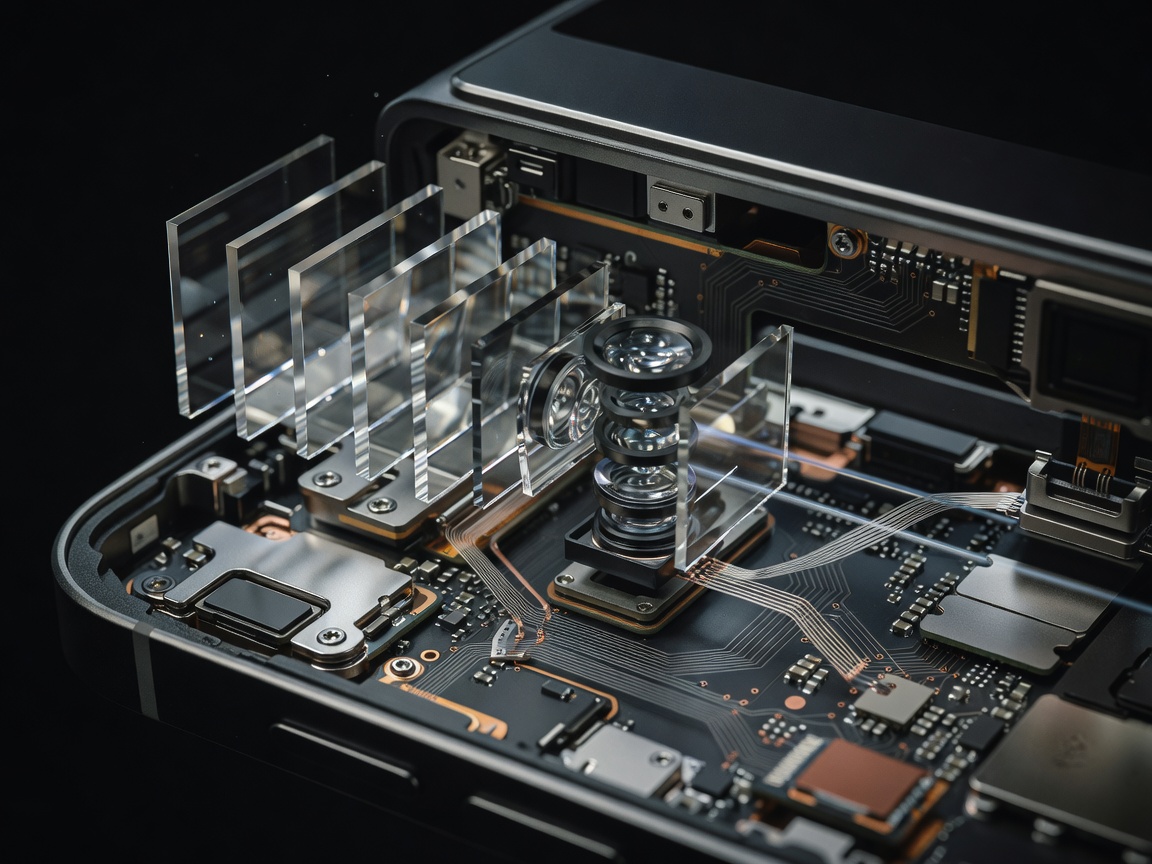
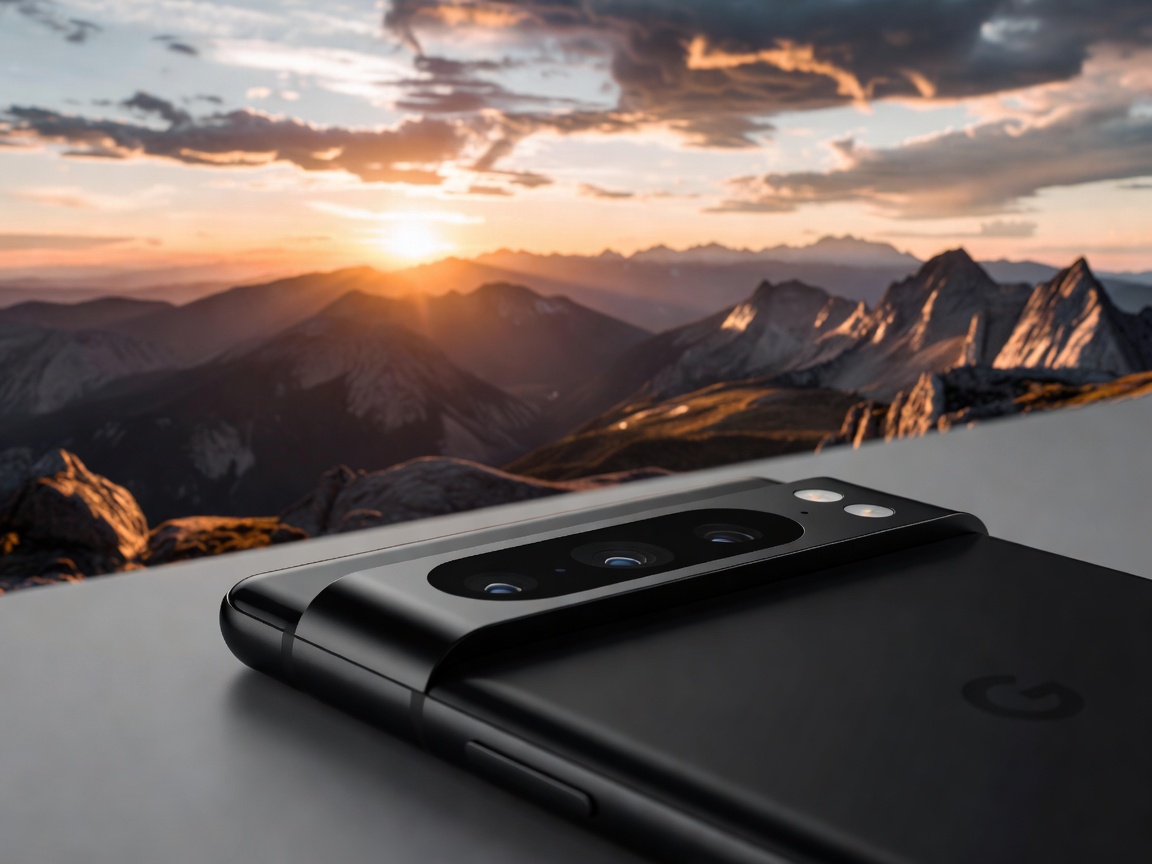
Xiaomi 17 Pro (Leica Vario-Summicron)
Main Sensor: 50MP 1-inch Light Fusion 1000 (f/1.63, LOFIC HDR)
Telephoto 1: 50MP 3.2x Floating Telephoto (10cm macro)
Telephoto 2: 50MP 5x Periscope OIS (120mm equivalent)
Ultra-wide: 50MP 115-degree ultra-low distortion
OPPO Find X9 (Hasselblad Master)
Main Sensor: 50MP 1/1.28" Sony LYT-808 with ALD anti-glare
Telephoto 1: 50MP 3x Tri-prism Periscope OIS
Telephoto 2: 50MP 6x Ultra-telephoto OIS
Color Matrix: 13-channel spectral multi-zone sensor
Google Pixel 10 Pro Fold
Main Sensor: 48MP Quad PD with Dual Exposure bracket
Telephoto: 10.8MP 5x Dual-pixel Periscope (30x Super Res Zoom)
Ultra-wide: 10.5MP with Macro Focus auto-alignment
Processing: Google Tensor G5 Neural Processing Core
Sensor Surface Area and Low-Light Dynamic Range
The primary advantage of the Xiaomi 17 Pro lies in its large 1-inch-type primary sensor augmented by Lateral Overflow Integration Capacitor (LOFIC) architecture. Traditional mobile sensors saturate when exposed to bright highlights, blowing out skies or neon signs. LOFIC channels excess photo-electrons into a secondary storage capacitor within each pixel, yielding a single-exposure dynamic range exceeding 14.5 stops without multiple-frame motion ghosting.
The OPPO Find X9 tackles dynamic range via dual Sony LYT sensors combined with Atomic Layer Deposition (ALD) multi-coating. In challenging urban evening scenes, internal lens reflections and green ghosting artifacts around streetlamps are drastically attenuated compared to standard plastic optical elements.
Periscope Mechanics: Focal Compression & Portraits
Both Xiaomi and OPPO incorporate dual telephoto lenses to eliminate the "digital zoom wasteland" between 1x and 5x. By providing a dedicated 70mm–75mm focal length for human portraiture, facial proportions remain naturally compressed without the barrel distortion common to 24mm wide lenses.
Google’s approach on the Pixel 10 Pro Fold prioritizes machine vision. By capturing microscopic hand tremor displacements between frames, the Tensor G5's Super Res Zoom reconstructs high-frequency sub-pixel edge detail, generating clean 10x images despite relying on a physically smaller 10.8MP periscope module dictated by the thin foldable chassis.
Color Science and Tuning Partnerships
Hardware without deliberate color tuning produces clinical, uninspired imagery. Xiaomi’s ongoing collaboration with Leica delivers dual selectable profiles: Leica Authentic, which embraces natural vignetting, deep shadow falloff, and muted contrast; and Leica Vibrant, which caters to punchy social sharing.
OPPO works alongside Hasselblad, deploying a 13-channel spectral sensor that samples ambient color temperature across multiple room zones. This completely eliminates the orange skin-tone shifts often induced by warm tungsten indoor bulbs. Google maintains its signature neutral daylight contrast curve, optimizing for realistic skin tone accuracy across diverse ethnic pigmentation.
Pros and Cons Matrix
Xiaomi 17 Pro
- Pros: Peerless 1-inch LOFIC primary dynamic range, dual periscope focal versatility, comprehensive 8K video controls.
- Cons: Heavy circular camera bump causes desk wobble, high launch pricing.
OPPO Find X9
- Pros: Exceptional Hasselblad skin tones, anti-reflective optical coatings, rapid shutter response.
- Cons: Ultra-wide sensor is slightly smaller than primary modules.
Google Pixel 10 Pro Fold
- Pros: Best-in-class point-and-shoot consistency with zero shutter lag, flexible dual-screen preview angles.
- Cons: Smaller telephoto sensor limits extreme night zoom capabilities.
Final Verdict
For manual photography enthusiasts seeking maximum RAW sensor data, genuine optical bokeh, and expansive dynamic range, the Xiaomi 17 Pro is the undisputed champion. For portrait artists and travelers needing seamless zoom transitions, the OPPO Find X9 excels, while the Pixel 10 Pro Fold remains the gold standard for reliable zero-effort capture of moving subjects.